Wildlife
The Great Migration Explained
By Oltukai Mara Camp · 15 June 2026 · 17 min read
How the Great Migration moves through the Maasai Mara, what river crossings really involve, when to visit, and how a luxury camp stay helps you experience it without the rush.
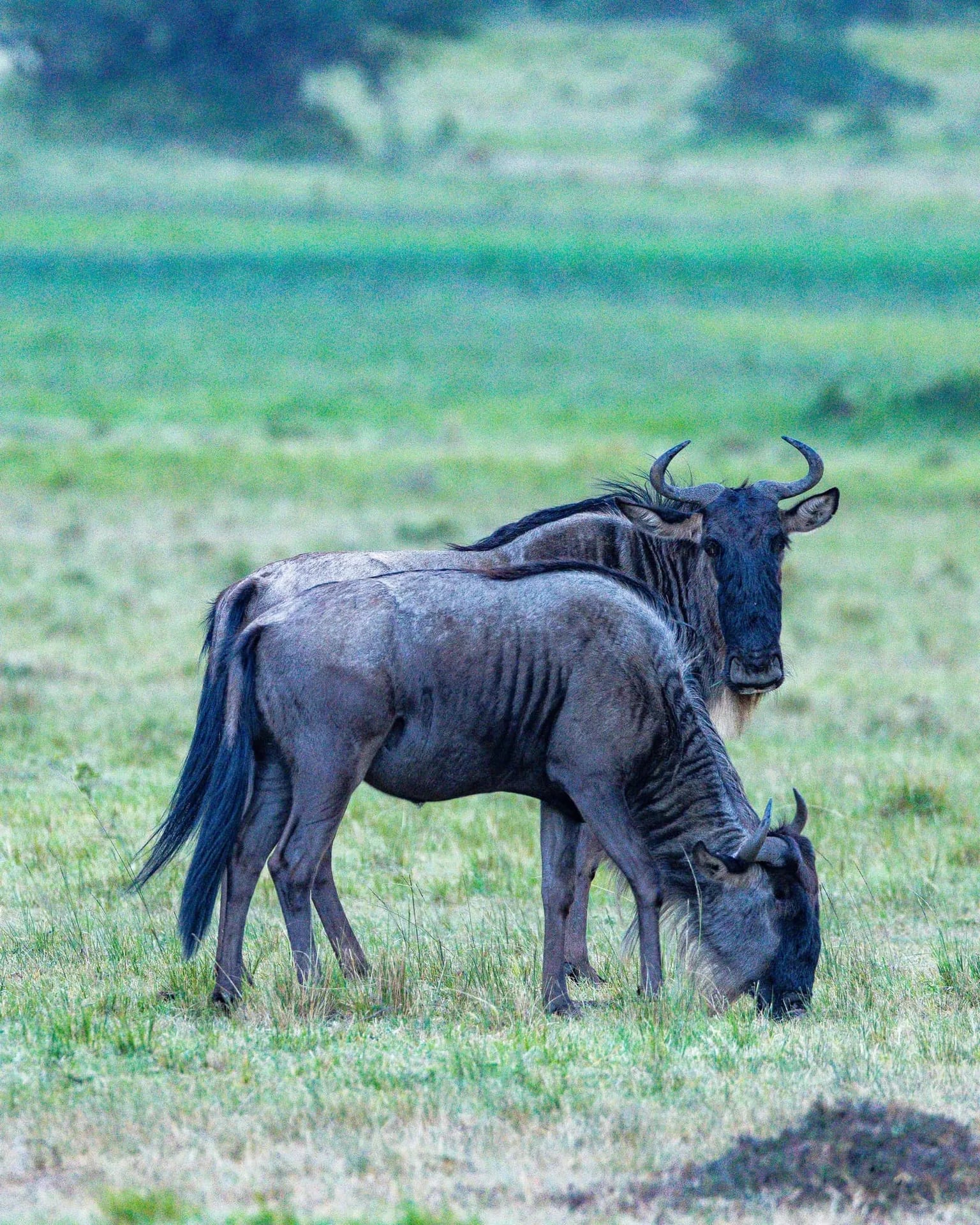
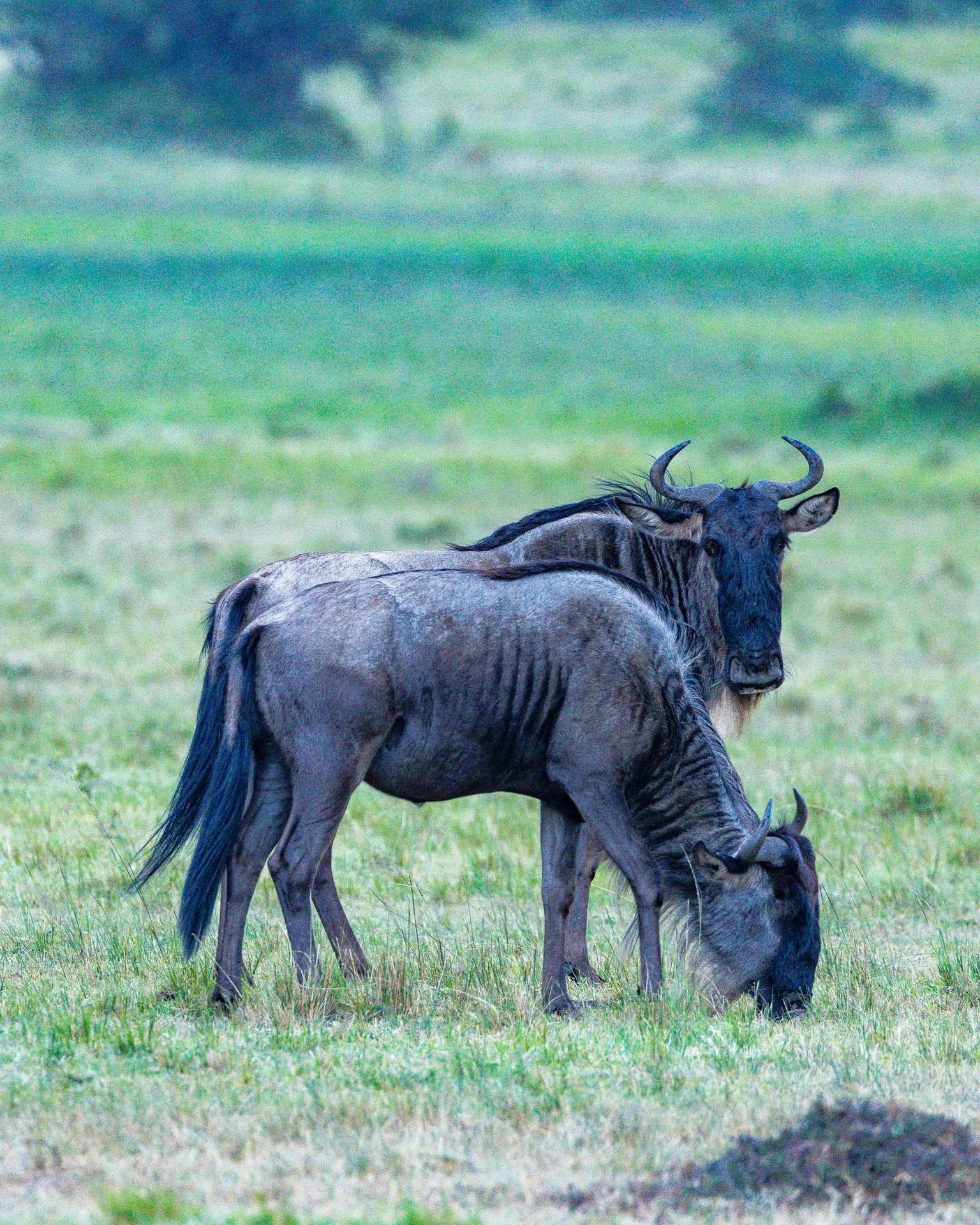
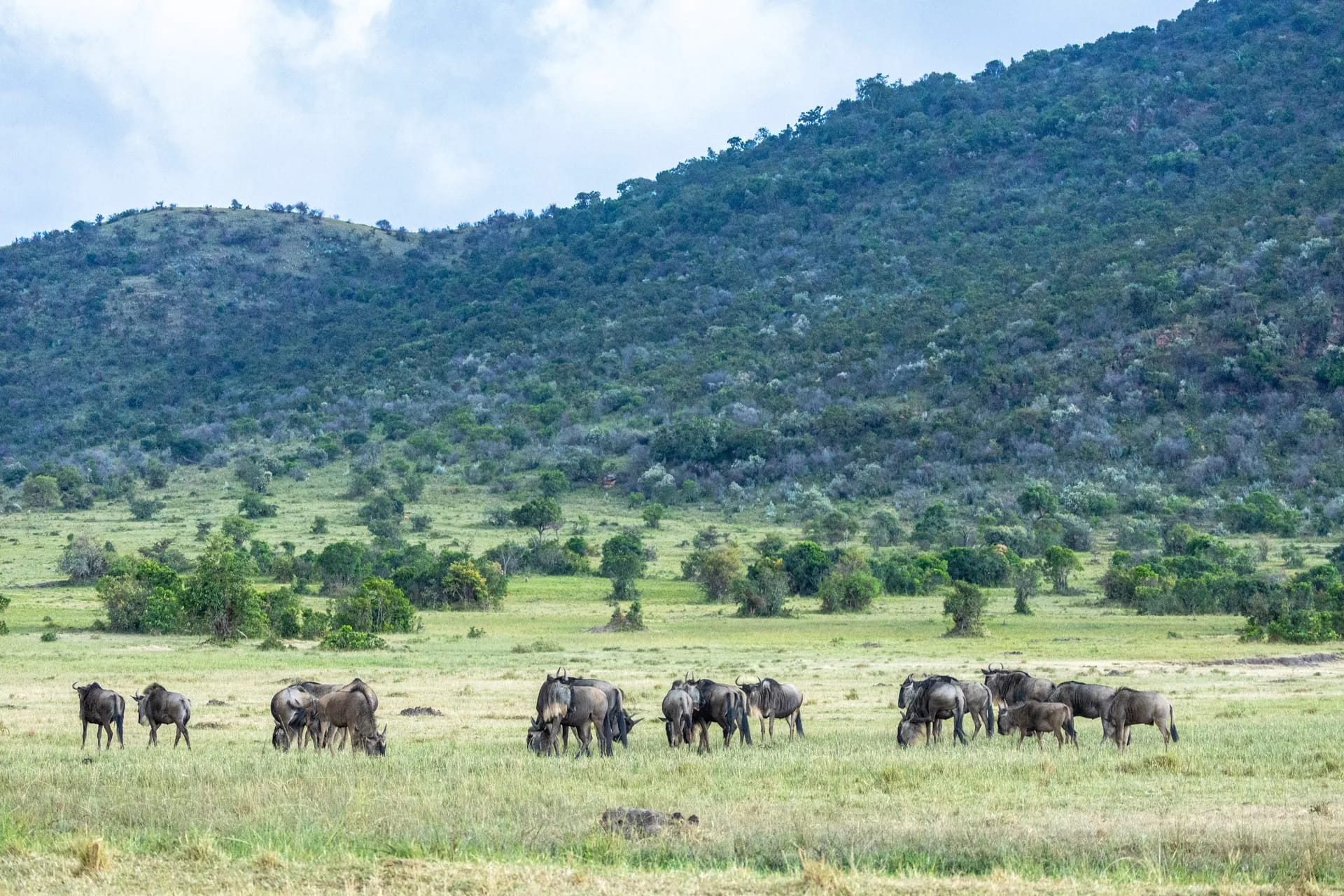
The Great Migration is one of Earth’s last great terrestrial wildlife movements. Each year, more than a million wildebeest, joined by large numbers of zebra and other plains game, follow rain and grazing across the Serengeti Mara ecosystem.
For guests at Oltukai Mara Camp, migration season can mean extraordinary density of animals, predator action, and moments of pure savannah theatre. It can also mean strategic guiding, patience, and realistic expectations. This article explains how the migration works and how to experience it well.
What the Great Migration actually is
The migration is not a single parade on a fixed date. It is a continuous, rain driven cycle. Herds move to where grass is nutritious and water is accessible. Predators follow. Scavengers follow them. The result is a living system rather than a scheduled show.
Understanding that helps guests enjoy the season more fully. Some mornings deliver crossings. Other mornings deliver quiet grazing, predator tension, and long lines of animals on the horizon. Both can be extraordinary when you are present for them.
Why the Maasai Mara is legendary
When herds concentrate in Kenya’s Maasai Mara, visitors may witness dramatic gatherings along river corridors and open plains. The Mara River crossings, where animals face currents and crocodiles, are among Africa’s most photographed wildlife events.
Crossings are unpredictable. Some days offer multiple attempts. Other days herds graze quietly. A skilled guide reads behaviour, wind, and pressure from predators so you are positioned thoughtfully rather than racing from vehicle to vehicle.
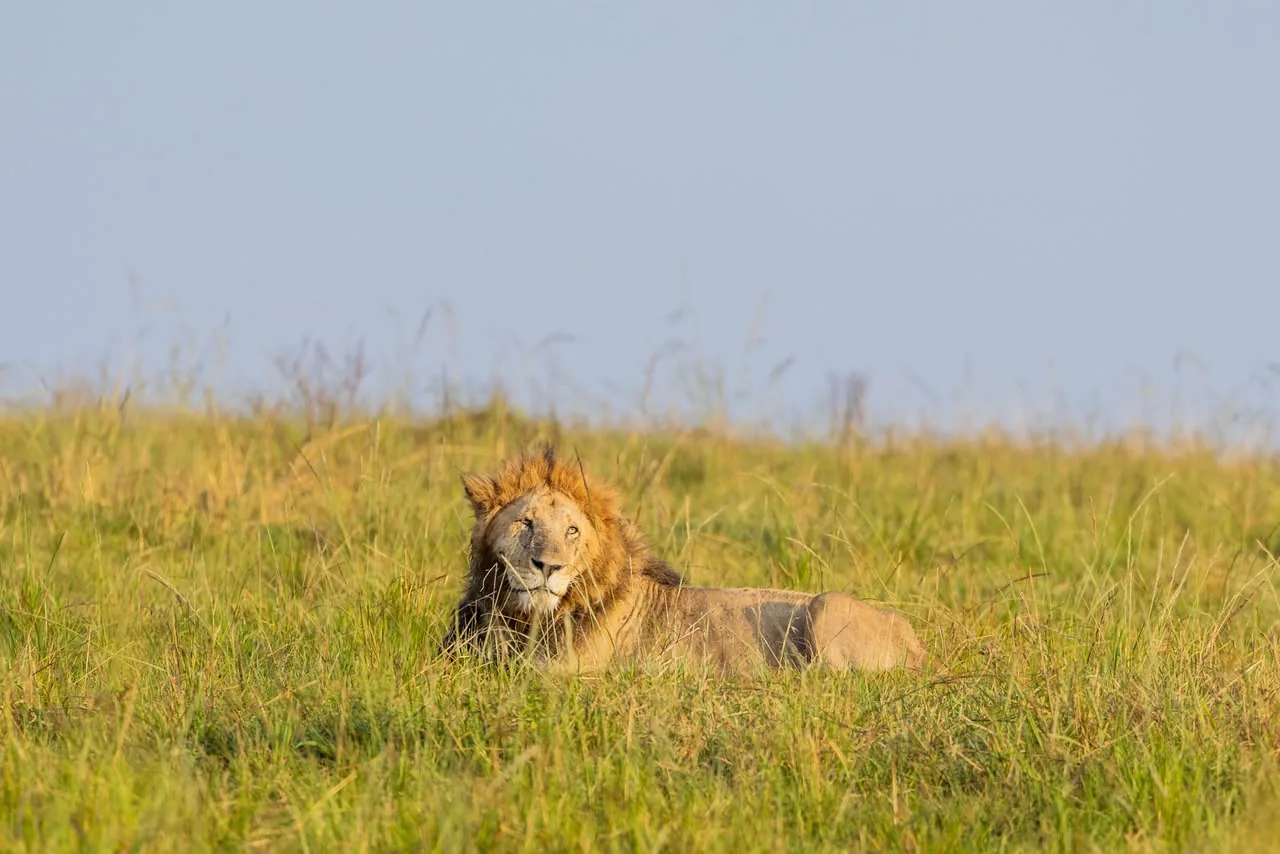
The wider scene matters as much as the river itself. Lion prides on full bellies, hyena clans, vultures circling, and endless lines of animals stitching the horizon all belong to the same story.
Typical timing for Mara migration interest
In many years, migration interest in the Mara builds from about July and remains strong into October, sometimes shifting earlier or later with rainfall. Because nature leads the calendar, flexible date ranges are wiser than insisting on one exact week.
If migration is your primary reason for travel, book early and keep a small date window open. Our reservations team can advise based on the season you are targeting. Peak weeks fill quickly for tents, flights, and balloon mornings.
What a migration safari day feels like
Expect pre dawn departures, thermoses of coffee, and long periods of focused watching. The reward is not only crossings. It is the surrounding ecosystem: lion prides on full bellies, hyena clans, vultures circling, and endless lines of animals stitching the horizon.
Returning to Oltukai Mara Camp between drives restores energy. Shade, a good meal, and a rest prepare you for soft afternoon light and another outing ending in sundowners. Luxury pacing protects the day so you are not exhausted by the time the best light arrives.
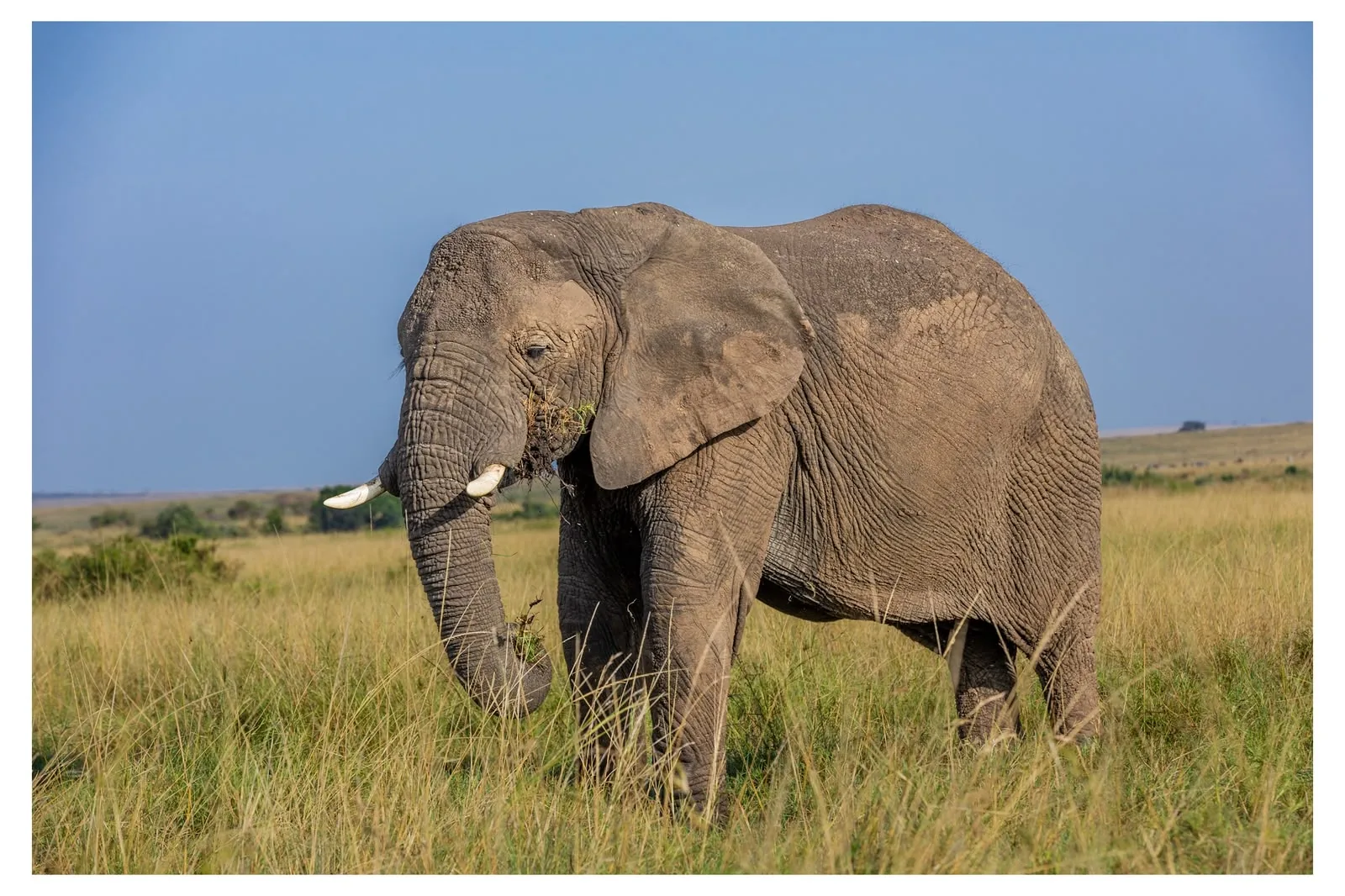
Responsible viewing during busy weeks
Peak migration attracts many travellers. We prioritise respectful distances, avoid boxing animals in, and leave space for wildlife to choose its path. A luxury safari should never come at the cost of animal welfare or guest safety.
Good etiquette also improves the experience. Vehicles that crowd river banks can spoil the moment for everyone. Patience, space, and calm guiding usually deliver stronger memories than frantic chasing.
If you miss peak herds
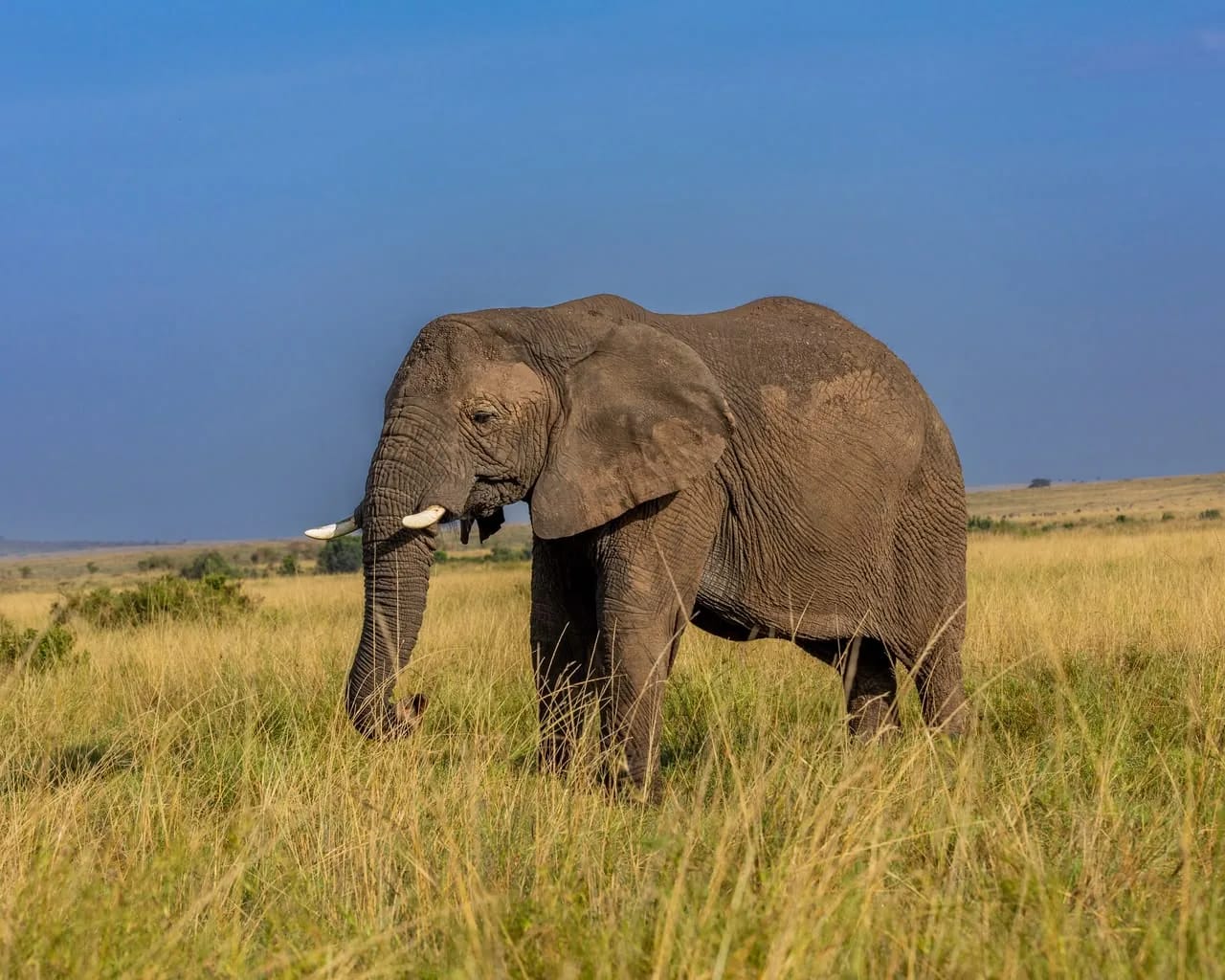
Resident wildlife still delivers outstanding safari days. Green season and shoulder months can feel more private while remaining rich in big cats, elephants, and birdlife. Read our companion piece on the best time to visit the Maasai Mara.
To plan a migration focused stay with clear rates, request a quotation or explore game drives and experiences at Oltukai Mara Camp.
Keep reading
Related journal stories
Stay while you explore the Mara
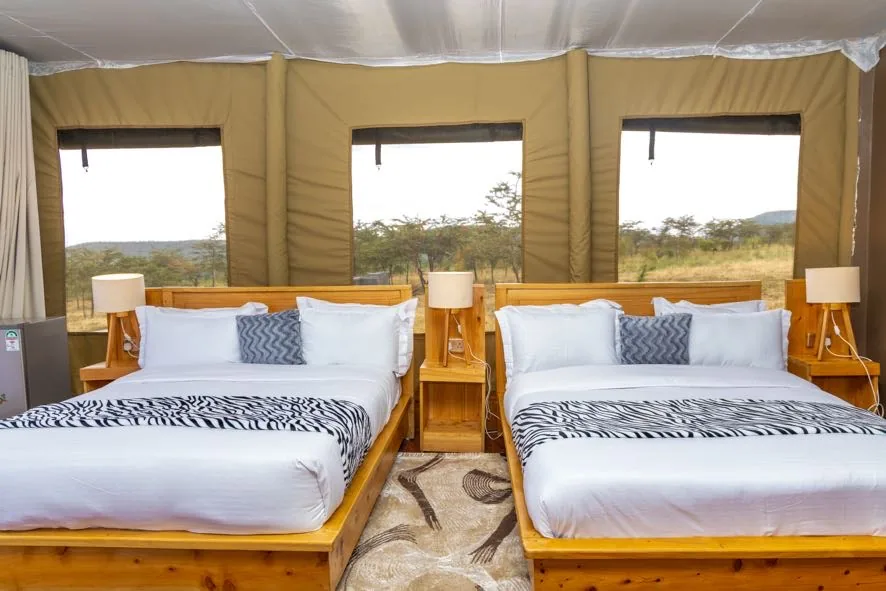
From $250
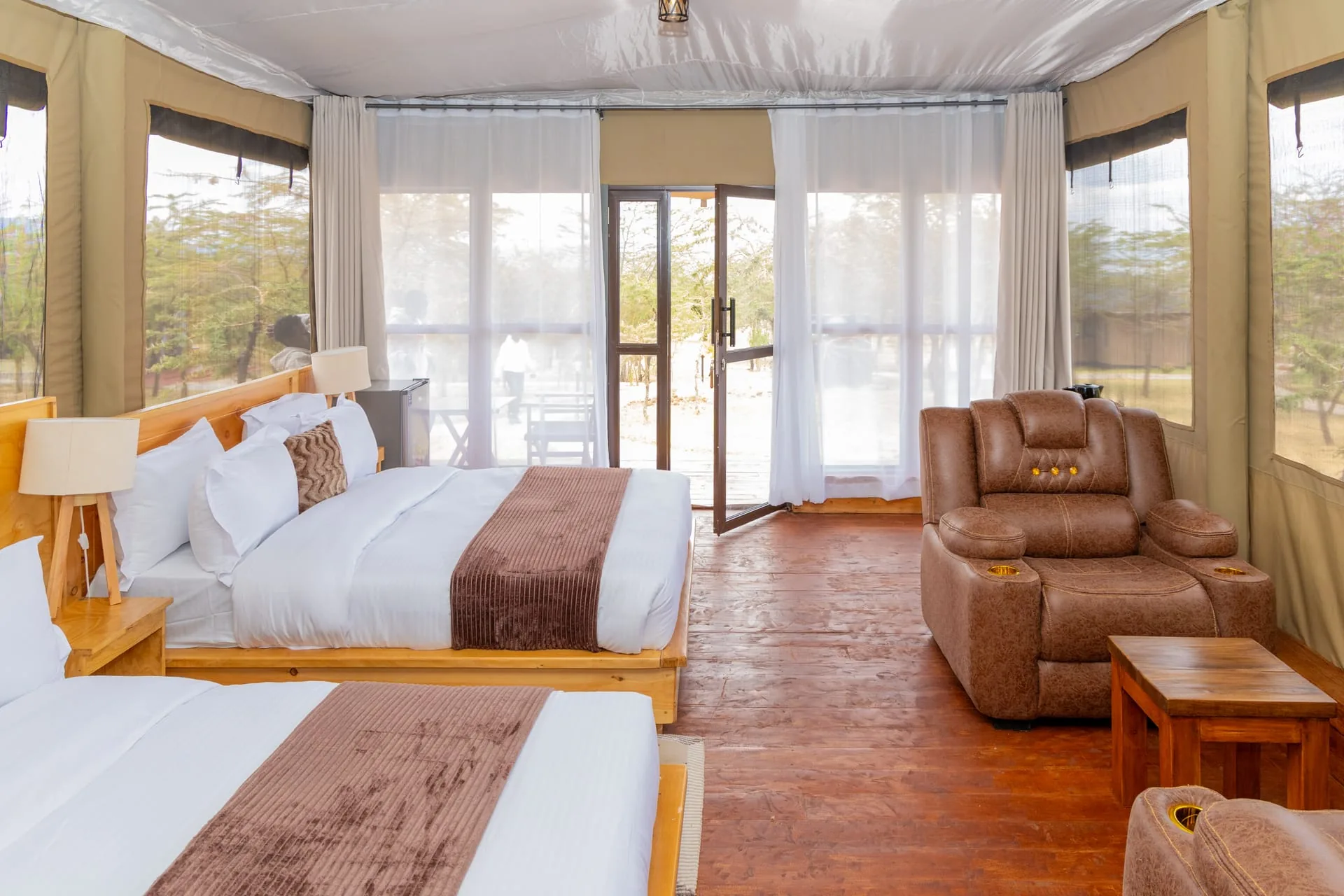
Savannah Tent
A classic luxury safari tent for two at Oltukai Mara Camp with a private deck, savannah views, and refined comfort after Maasai Mara game drives.
From $250
Family Tent
Family luxury tented accommodation in the Maasai Mara, two bedrooms, lounge space, and shared savannah views at Oltukai Mara Camp.
Continue planning your safari
All planning hubsReservations
Ready to plan your Mara stay?
Share your dates and interests, and we will confirm availability with a personalised quotation.
Reservations
Begin your Mara chapter
Request a personalised quotation for your stay, for resident and non-resident guests.
Maasai Mara · Kenya